As electronic devices continue to become smaller, lighter, and more compact, PCB assembly technologies are evolving rapidly. Manufacturers are increasingly adopting SMT (Surface Mount Technology) hardware solutions to improve automation efficiency and reduce production costs.
Among these solutions, SMT nuts — also known as surface mount nuts — have become an essential fastening component in modern electronics manufacturing. They provide strong threaded connections directly on the PCB while supporting high-speed automated assembly processes.
However, choosing the right SMT nut for a PCB design is not always straightforward. Factors such as thread size, PCB thickness, soldering reliability, material selection, and assembly methods all play an important role.
In this article, we will explore the key factors engineers and manufacturers should consider when selecting SMT nuts for PCB applications.

What Is an SMT Nut?
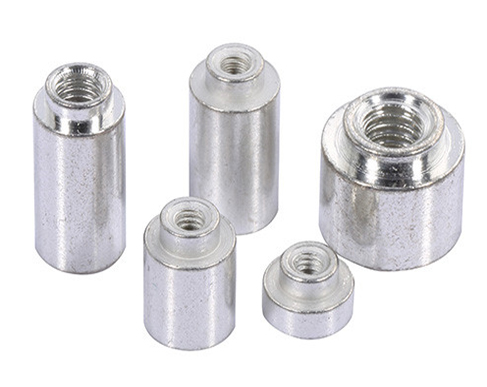
An SMT nut is a threaded fastener designed specifically for surface mount assembly. Unlike traditional press-fit or manually installed hardware, SMT nuts can be mounted directly onto the PCB during the standard reflow soldering process.
This allows manufacturers to integrate fastening hardware into automated SMT production lines without requiring secondary installation operations.
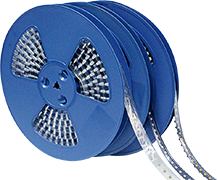
SMT nuts are commonly supplied in tape-and-reel packaging, making them compatible with pick-and-place machines used in modern electronics assembly.

Typical applications include:
· Consumer electronics
· Smart home devices
· Camera accessories
· Industrial control systems
· Automotive electronics
· Communication equipment
· Robotics and drones
Why SMT Nuts Are Becoming More Popular
Traditional fastening solutions often require additional drilling, manual installation, or secondary assembly steps. These processes increase labor costs and reduce production efficiency.
SMT nuts offer several advantages:
Improved Automation
SMT nuts can be placed automatically using standard SMT equipment, reducing manual labor and increasing manufacturing speed.
Space-Saving Design
Compact SMT hardware helps engineers optimize PCB layouts for smaller electronic products.
Strong Mechanical Connection
SMT nuts provide durable threaded fastening points for repeated assembly and disassembly.
Reduced PCB Damage
Compared with some press-fit hardware, SMT nuts typically generate less mechanical stress on the PCB.
Better Production Efficiency
Integrating hardware installation into the SMT process simplifies production workflows and reduces assembly time.
Key Factors to Consider When Choosing SMT Nuts
Selecting the proper SMT nut requires balancing mechanical performance, PCB design requirements, and manufacturing considerations.
1. Thread Size Selection
The first consideration is choosing the correct thread size for the application.
Common SMT nut thread sizes include:
· M2
· M2.5
· M3
· M4
Smaller thread sizes are suitable for compact consumer electronics, while larger threads may be required for industrial or structural applications.
Engineers should evaluate:
· Required load capacity
· Screw compatibility
· Product size limitations
· Assembly frequency
Over-sizing the thread may waste PCB space, while under-sizing may reduce fastening strength.
2. PCB Thickness Compatibility
PCB thickness directly affects the performance and reliability of SMT nuts.
Thin PCBs may not provide sufficient mechanical support for larger hardware, especially in high-vibration environments.
Before selecting an SMT nut, consider:
· PCB thickness
· Layer count
· Copper distribution
· Mechanical stress conditions
For high-load applications, reinforcement strategies may be required.
3. Soldering Reliability
Because SMT nuts are installed during reflow soldering, solder joint reliability is critical.
Poor soldering performance can lead to:
· Weak mechanical connections
· Nut shifting during reflow
· Cold solder joints
· Long-term reliability issues
Important design considerations include:
· Proper pad design
· Balanced solder paste distribution
· Accurate reflow temperature profile
· High-quality plating materials
Choosing SMT nuts specifically designed for automated reflow processes can significantly improve soldering consistency.
4. Material Selection
SMT nuts are commonly manufactured using materials such as:
· Stainless steel
· Brass
· Carbon steel
Each material offers different advantages.
Stainless Steel
· Excellent corrosion resistance
· High durability
· Suitable for outdoor or humid environments
Brass
· Good electrical conductivity
· Easier machining
· Common in electronics applications
Carbon Steel
· Higher strength
· Cost-effective
· Often used with protective coatings
The correct material depends on environmental conditions, mechanical requirements, and cost targets.
5. Packaging Method for Automated Assembly
For high-volume SMT production, tape-and-reel packaging is highly recommended.
Benefits include:
· Faster pick-and-place operation
· Improved feeding consistency
· Reduced manual handling
· Better compatibility with automated assembly lines
Manufacturers using fully automated SMT processes should ensure their selected SMT nuts support standard feeder systems.
6. Mechanical Strength Requirements
Different products require different fastening strengths.
For example:
· Lightweight consumer electronics may prioritize compact size
· Industrial devices may require higher torque resistance
· Camera mounting systems may need vibration resistance
Engineers should evaluate:
· Pull-out force
· Torque performance
· Shear strength
· Vibration resistance
Selecting the correct SMT nut structure helps ensure long-term product reliability.
.jpg)
Common SMT Nut Applications
SMT nuts are widely used across many industries due to their compatibility with automated assembly systems.
Consumer Electronics
Compact PCB designs in smartphones, wearable devices, and smart home products often rely on SMT hardware.
Camera and Mounting Systems
SMT nuts provide reliable threaded mounting points for camera accessories and support brackets.
Automotive Electronics
Modern vehicles contain increasingly complex PCB assemblies that benefit from automated fastening solutions.
Industrial Equipment
Industrial control systems require durable fastening solutions capable of withstanding vibration and harsh environments.
Future Trends in SMT Hardware
As electronics manufacturing continues moving toward greater automation and miniaturization, SMT fastening hardware will play an increasingly important role.
Future trends include:
· Smaller and lighter SMT hardware
· Higher heat resistance
· Improved solderability
· Enhanced vibration resistance
· More efficient automated packaging systems
Manufacturers that adopt advanced SMT fastening solutions can improve production efficiency while maintaining product reliability.
Conclusion
Choosing the right SMT nut is an important part of successful PCB design and electronics manufacturing.
By carefully considering factors such as:
· Thread size
· PCB thickness
· Soldering reliability
· Material selection
· Packaging compatibility
· Mechanical strength
engineers can improve both manufacturing efficiency and long-term product performance.
As automated SMT assembly becomes the industry standard, high-quality surface mount fastening solutions will continue to become increasingly important in modern electronic product design.

 Recommended News